
Documenting Reality Through Your Lens
- Real stories captured authentically by students across Australia
- Practical techniques that work in actual documentary scenarios
- Community feedback from working photographers who've been there
Photography That Tells Real Stories
We started Synovariqex in 2022 because we noticed something frustrating. Most photography courses focused on technical specs and studio setups, but documentary work happens in streets, protests, communities, and real environments where perfect lighting doesn't exist. Our founder spent years shooting for regional publications and got tired of seeing students leave expensive programs without knowing how to handle actual documentary scenarios.
So we built something different. Our courses are taught by photographers who currently work in the field, not just academics. They share techniques they actually use when capturing stories in challenging conditions. We don't promise to make you the next legendary photojournalist, but we will show you how to document reality with integrity and technical competence.
Since launching, we've worked with students from Brisbane to Perth, helping them develop skills that translate to real assignments. Some now contribute to community publications, others document social initiatives, and a few have landed editorial gigs. What matters most is that they learned to see stories worth telling and capture them authentically.
What Guides Our Teaching
Honest Documentation
Documentary photography carries responsibility. We teach students to capture reality without manipulation, respecting subjects and contexts. This means understanding when to shoot, when to step back, and how to represent people fairly. Ethics aren't an afterthought in our curriculum, they're fundamental to every technique we cover.
Technical Competence
Good intentions don't matter if your images are unusable. We drill practical skills like exposure management in mixed lighting, focusing techniques for unpredictable moments, and equipment handling under pressure. Students learn through repetition and real scenario exercises, not just theory lectures.
Story Recognition
Not every moment deserves documentation. We help students develop judgment about what constitutes a meaningful story versus opportunistic shooting. This includes understanding context, recognizing visual narrative threads, and knowing when a series of images communicates more than isolated shots.
Accessible Learning
Geography shouldn't limit education access. Our online platform connects students across Australia's vast territory, from urban centers to regional areas. Live sessions accommodate different time zones, recorded materials allow flexible review, and our community forums enable peer learning regardless of location.
Working Photographer Input
All instructors currently work in documentary contexts, whether editorial, nonprofit, or independent projects. They bring current industry perspectives, not outdated methods. Students benefit from instructors who understand contemporary challenges like digital workflow, online publication standards, and navigating client relationships.
Realistic Outcomes
We won't promise you'll become a famous photojournalist or guarantee editorial contracts. What we will do is provide solid technical foundation, ethical guidance, and practical skills that improve your documentary work. Success depends on your dedication, practice, and how you apply what you learn.
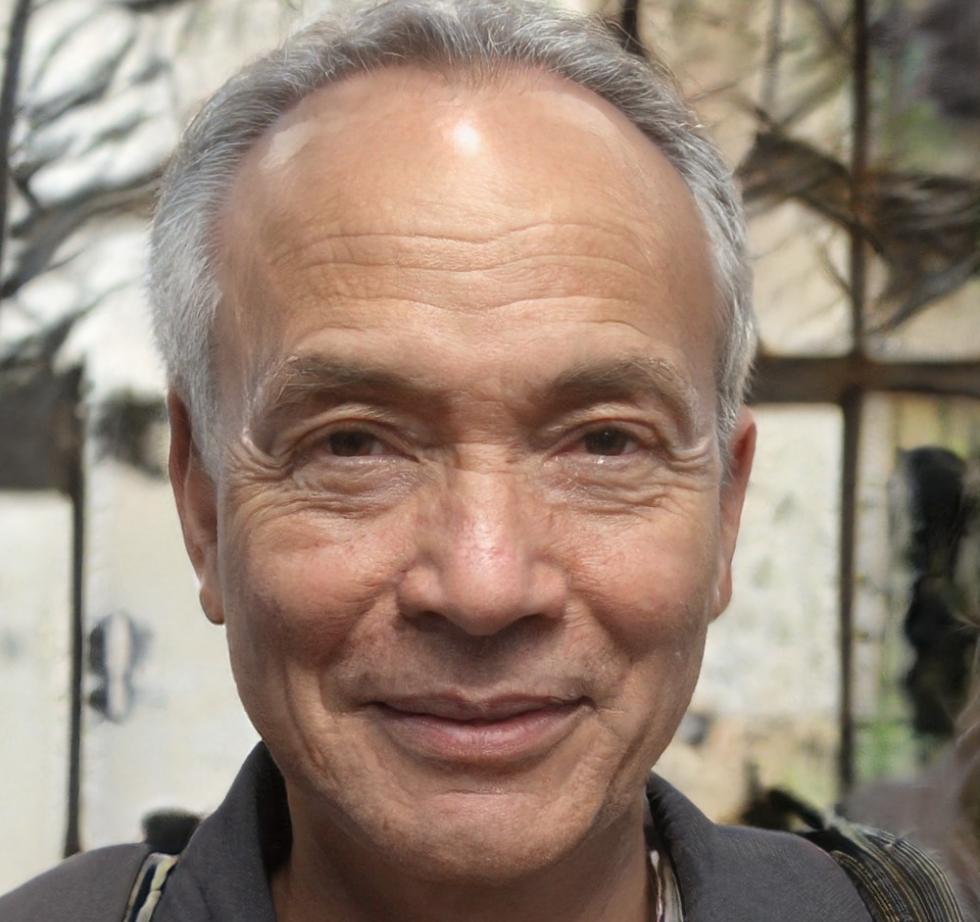
Henrik Tolvanen
Lead Instructor
Who Teaches These Courses
Henrik spent fifteen years documenting social issues across Southeast Asia and Australia before transitioning to education. His work appeared in regional publications and nonprofit reports, covering topics from urban development impact to indigenous community initiatives. He knows what it takes to capture meaningful documentary work because he's done it under difficult conditions with limited resources.
What frustrated Henrik about traditional photography education was the disconnect between classroom theory and field reality. Students learned perfect studio techniques but couldn't adapt when shooting in unpredictable environments. They knew equipment specifications but struggled with ethical decisions about when and how to photograph sensitive situations.
At Synovariqex, Henrik built a curriculum around practical scenarios he actually encountered. Students learn to handle mixed lighting because that's what you get at community events. They practice anticipating moments because documentary subjects don't pose on command. They discuss ethical considerations because real photography involves real people with real stories.
Our other instructors bring similar field experience from editorial work, nonprofit documentation, and independent projects. They're not just teachers, they're working photographers who understand current industry standards, digital workflows, and the challenges of making documentary work sustainable.
How We Structure Learning
Building Skills Progressively
Documentary photography involves multiple competencies, from technical camera operation to ethical decision-making. We structure courses so each lesson builds on previous material. You can't effectively capture candid moments without first understanding exposure fundamentals. You can't develop a documentary series without knowing how individual images connect narratively.
Students progress through modules at their own pace, but each section requires demonstrating competence before advancing. This prevents knowledge gaps that undermine later learning. Some students move quickly through technical material but spend more time on composition and storytelling aspects. Others need more practice with equipment handling before tackling complex scenarios.
Learning Through Actual Practice
Every module includes practical assignments that simulate real documentary scenarios. After learning about exposure management, students photograph a community event with mixed lighting. After studying composition principles, they document a public space showing human interaction. These aren't abstract exercises, they're the situations working photographers actually encounter.
We provide detailed feedback on submitted work, pointing out both technical issues and storytelling opportunities. Students often submit multiple iterations as they refine their approach. This iterative process mirrors how professional documentary work develops through review and revision.
Peer Review and Discussion
Our online community allows students to share work, discuss challenges, and learn from each other's experiences. Seeing how other students approach similar assignments provides valuable perspective. Sometimes peer feedback identifies storytelling angles the photographer missed. Other times, technical discussions help troubleshoot specific shooting problems.
Instructors moderate these forums, adding professional insight and correcting misunderstandings. But much learning happens through peer interaction, just like it does in professional photography communities. Students from different regions share unique perspectives based on their local contexts and subjects.
Study When It Works For You
Documentary opportunities don't follow academic schedules. Students might need to complete assignments around weekend events, travel schedules, or personal commitments. Our platform provides 24/7 access to recorded lectures, downloadable resources, and assignment materials. Live sessions are recorded for later viewing.
This flexibility matters especially for regional students dealing with time zone differences or those balancing education with work commitments. You can review difficult concepts multiple times, pause to practice techniques, and submit assignments when you've captured appropriate material rather than rushing to meet arbitrary deadlines.
Ready to Document Real Stories?
Our current courses are open for enrollment. Learn documentary photography from working professionals who understand both the craft and the responsibility it carries.
Explore Course Options